
Partnership For Public Health
facebook twitter
  • ABOUT
    • Board of Directors
    • Background & History
    • Close
  • PRIORITIES
    • Public Safety
    • Environmental Health
    • Contagious Diseases
    • Immunizations
    • Close
  • RESOURCES
  • NEWS
  • CONTACT

Why the Triumph of Vaccines is in Jeopardy

February 7, 2026 - Written by: Rihanna Bryce

Vaccines are arguably one of the greatest accomplishments of the human race. The magnitude of disease, suffering, disability, and death prevented by vaccines is nearly incalculable. In the U.S. in the years leading up to 1900, 18% of children age five or less died of contagious diseases such as polio, measles, smallpox, whooping cough, and diphtheria. Nearly one child in five died. Each of these infectious diseases is today preventable by vaccination. At times, however, we forget the lessons of our own past. Let’s review that history using a few examples, both from the past and the present.


Polio, once endemic in the U.S, is a highly contagious respiratory and gastrointestinal tract infection. While most cases have mild or no symptoms, a small percentage of children become paralyzed due to the invasion of the brain and spinal cord. Fear of paralytic polio shut down swimming pools, school activities, and social events during the summer months in the 1950’s. Some towns excluded anyone under age 16 from entering for fear of igniting an outbreak. Hospitals opened entire units dedicated solely to the care of iron lung patients. The incidence of Polio peaked in 1952 in the U.S., leaving over 20,000 children paralyzed in that year alone. The development and release of the Salk and Sabin polio vaccines were heralded as one of the greatest accomplishments of modern medicine, and a government-sponsored nationwide vaccination program resulted in the eradication of wild-type polio cases nationally. Polio remains endemic, however, in many countries around the world. Poor public health infrastructure and poverty allow polio, along with many other infectious diseases, to be a major cause of infant and childhood mortality and long-term disability in underdeveloped countries or those where immunization rates have declined: a cautionary tale.


Measles is the most contagious infectious disease on this planet. Measles is more than just a transient fever, rash, and cough illness. Measles can cause pneumonia, blindness, brain swelling (encephalitis), and death. The risk of the sudden onset of fatal invasive brain infection can persist for 7-10 years after the initial infection. Measles during pregnancy can lead to miscarriage, stillbirth, and fatal infection in both the mother and newborn. The CDC estimates that in the decade before vaccine availability, 3-4 million children annually were infected with the measles virus, leading to 48,000 hospitalizations and 400-500 deaths, including 1,000 cases of encephalitis. Measles vaccination, in the form of the MMR vaccine, is safe and highly protective against infection, but due to the highly contagious nature of the virus, it is protective only if we maintain a community vaccination compliance rate of at least 95%. And therein lies the problem. Even in developed countries, vaccine compliance has waned. Measles is once again endemic across the globe, including the worst outbreak in 25 years in Europe. The United Kingdom has now lost its measles elimination status, and the U.S. is at risk for losing its status as well.

Last year, the United States began to experience a nationwide outbreak of measles. In 2025, the CDC tracked 49 outbreaks of measles in 45 jurisdictions involving 2,255 confirmed cases. South Carolina alone has seen 700 cases. So far in January 2026, the U.S. has already seen 588 additional cases as the outbreak seems to continue to accelerate. As of the date of this writing, the Pennsylvania Department of Health has confirmed 5 cases of measles in Lancaster County, where vaccine compliance has waned in general and has been historically low in certain populations. There is no effective treatment. Vaccination is our only effective weapon.

There are 11 vaccines recommended by the current CDC for universal administration to children, with another 6 vaccines targeted at high-risk groups. Each has undergone rigorous study and analysis before attaining licensure by the FDA. Unfortunately, vaccine compliance rates in the U.S. have fallen to the lowest levels in over 30 years. A vaccine hesitancy movement, fueled largely by misinformation and bias, has gained momentum over the last ten years. This trend was further exacerbated by the interruption of general medical care, including routine vaccine schedules, during the COVID-19 pandemic.


Vaccine development is a complex science. The basic science research required to develop a vaccine typically takes years. Prior to the release of a new vaccine to the public, thousands of doses are administered to volunteers and monitored closely for both safety and efficacy prior to submitting data to the CDC and FDA. A vaccine must demonstrate benefits that far outweigh risks to gain licensure. Vaccines are not perfect, and rare complications can unfortunately occur. Additional governmental tracking after the release of vaccines to the public is an ongoing process aimed at ensuring safety.

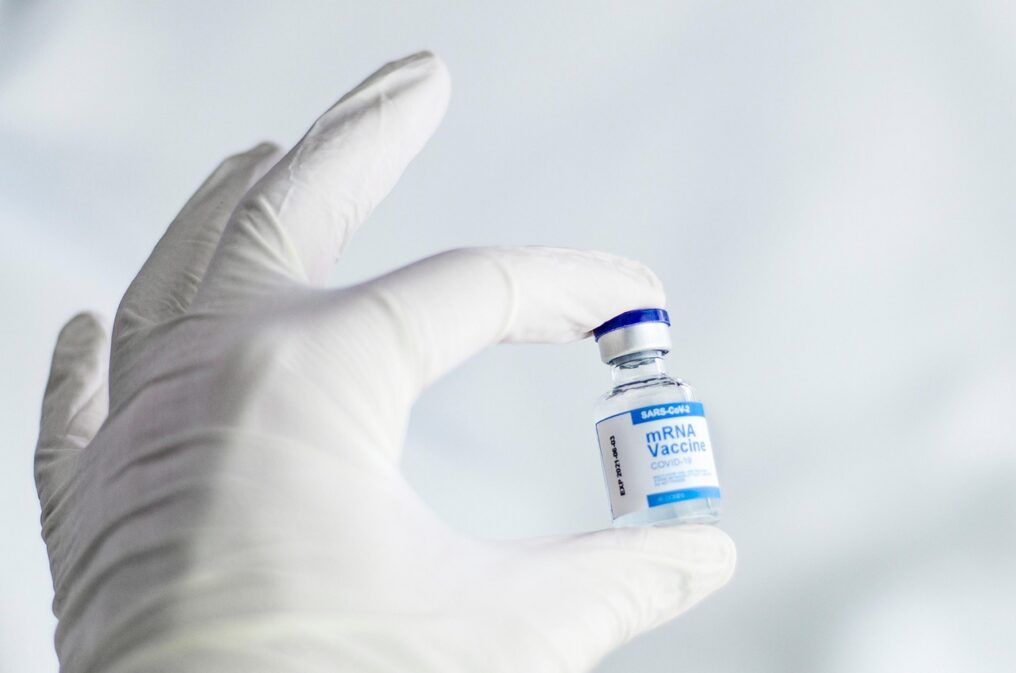
COVID-19 has caused an unprecedented global pandemic, resulting in over 145 million cases and 1.2 million deaths in the U.S. alone. The development and implementation of global immunization programs against COVID-19 saved an estimated 14-19 million lives. The mRNA vaccines against COVID-19 were tested in studies of over 73,000 people before release by emergency authorization to the public. Over 13 billion doses of the COVID-19 vaccine have been administered globally. What is clear is that vaccination against COVID-19 reduces the risk of severe disease, hospitalization, death, as well as the development of prolonged debilitating symptoms (long COVID). The COVID-19 vaccines are the most scrutinized in all of vaccine science. The mRNA vaccines against COVID-19 are safe. A massive 4-year safety study of 28 million adults showed that the mRNA COVID-19 vaccines did not lead to higher death rates in recipients. We must keep in mind that COVID-19 is still endemic in the U.S., with over 1,000 deaths in January 2026 and will be with us for the foreseeable future. Continued adherence to vaccine recommendations is crucial.

The practice of medicine involves carefully weighing risks and benefits, be it at the level of an individual patient or a population. Shared informed decision-making between the patient and doctor has always been practiced. The driver of governmental decision-making, however, must be that which is in the best interest of the nation, of ‘we the people’. We live in a society where individual freedoms must sometimes yield to the greater good of the public. When you vaccinate yourself, you also protect those around you, including the most vulnerable in our society. This herd immunity protects all of us.

So, what as a society can we do in the era of vaccine hesitancy, misinformation, and politically motivated agendas? We must trust the science that has brought us so very far. We must trust and value true expertise, not entrenched political camps. We must recognize that we have an obligation to protect not only ourselves and our family, but also others in our community. It is essential to remember that the benefits of sanctioned vaccination programs far outweigh the risks. We must resist the flood of misinformation so prevalent in our digitally connected society. Vaccines are one of the greatest accomplishments of the human race. We can only hope that we as a nation wake up and return to science-based policy before our past becomes our prologue.


Joseph M. Kontra, MD
Retired Chief of Infectious Diseases and Hospital Epidemiologist
Penn Medicine Lancaster General Health

Image by Spencer Davis from Pixabay

Filed Under: Immunizations

Partnership For Public Health

Partnership for Public Health c/o United Way of Lancaster County
1910 Harrington Drive, Ste A, Lancaster, PA 17601

717.394.0731

  • ABOUT
  • PRIORITIES
  • RESOURCES
  • NEWS
  • CONTACT
  • PRIVACY POLICY

Newsletter
Signup

Follow PPH

Connect With Us